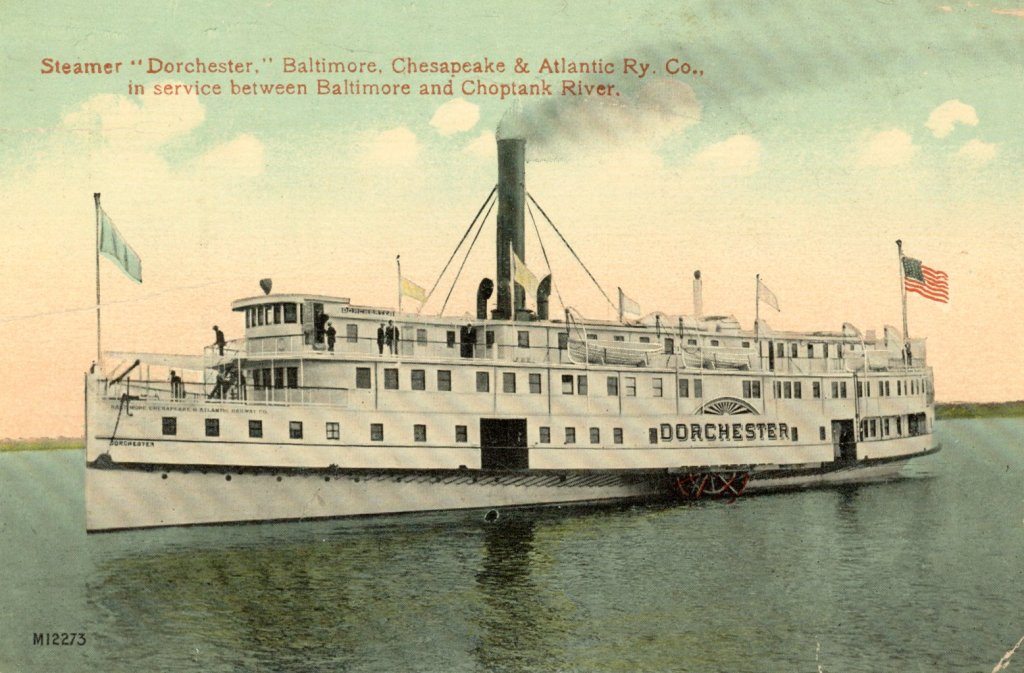
On February 3, 1943, the Dorchester was torpedoed by a German submarine and sank. 674 of the 904 aboard were lost. This was the single worst loss of American personnel of any American convoy during World War II.

Visual Entertainment from Near and Far
On February 3, 1943, the Dorchester was torpedoed by a German submarine and sank. 674 of the 904 aboard were lost. This was the single worst loss of American personnel of any American convoy during World War II.
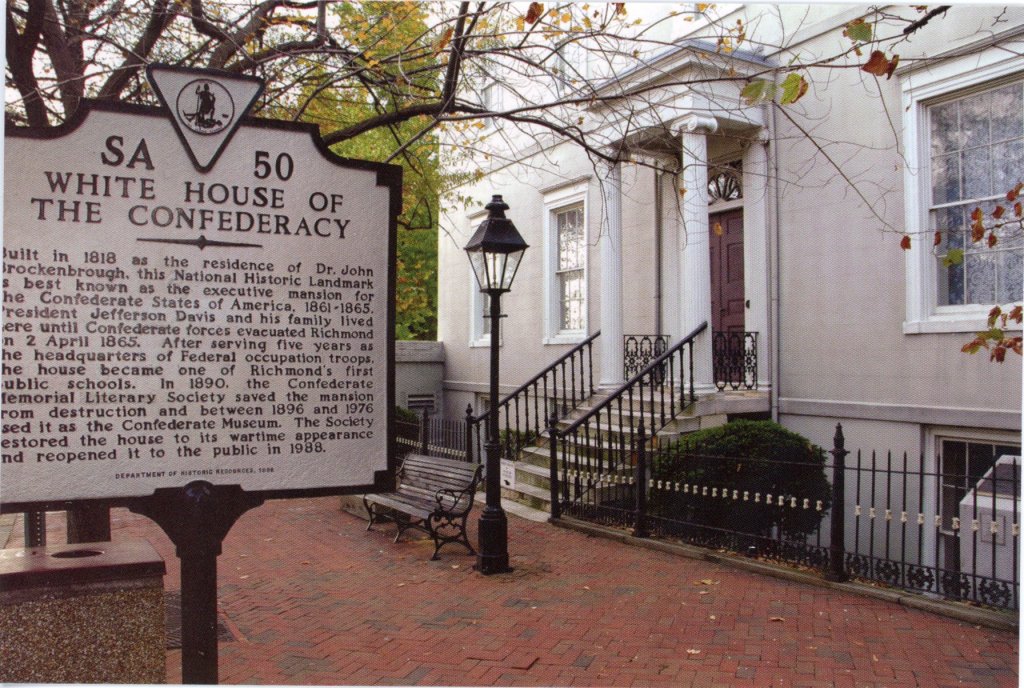
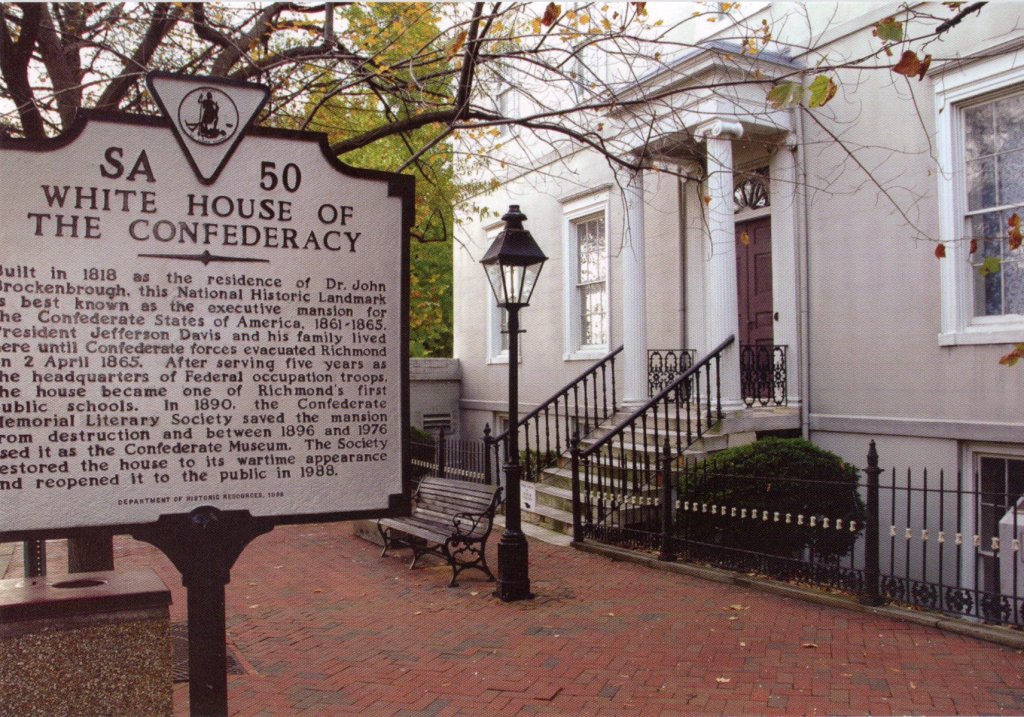
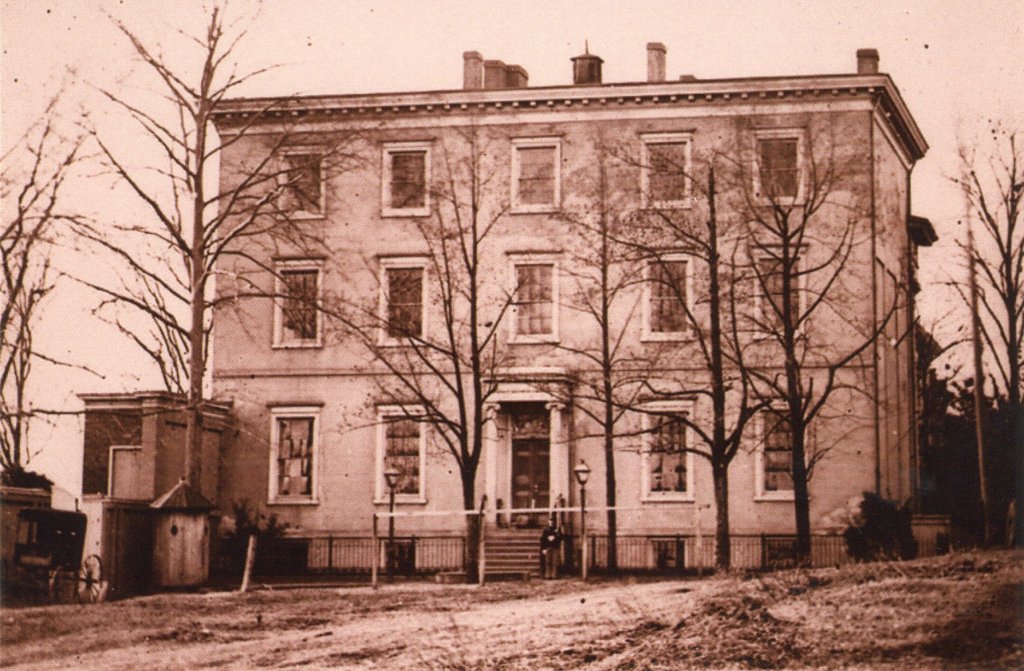
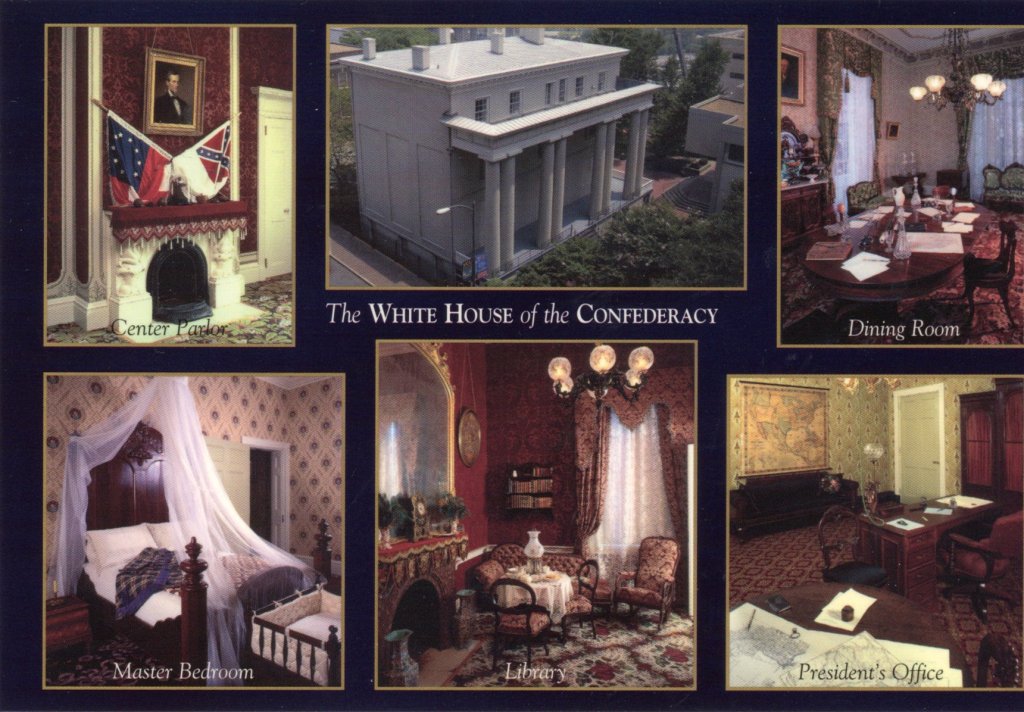
The White House of the Confederacy
The Executive Mansion of the Confederate States of America where President Jefferson Davis, his wife Varina Howell Davis, and their family lived from 1861-1865

1963 JFK Speech – I am a Berliner
Or, I am a jelly doughnut…
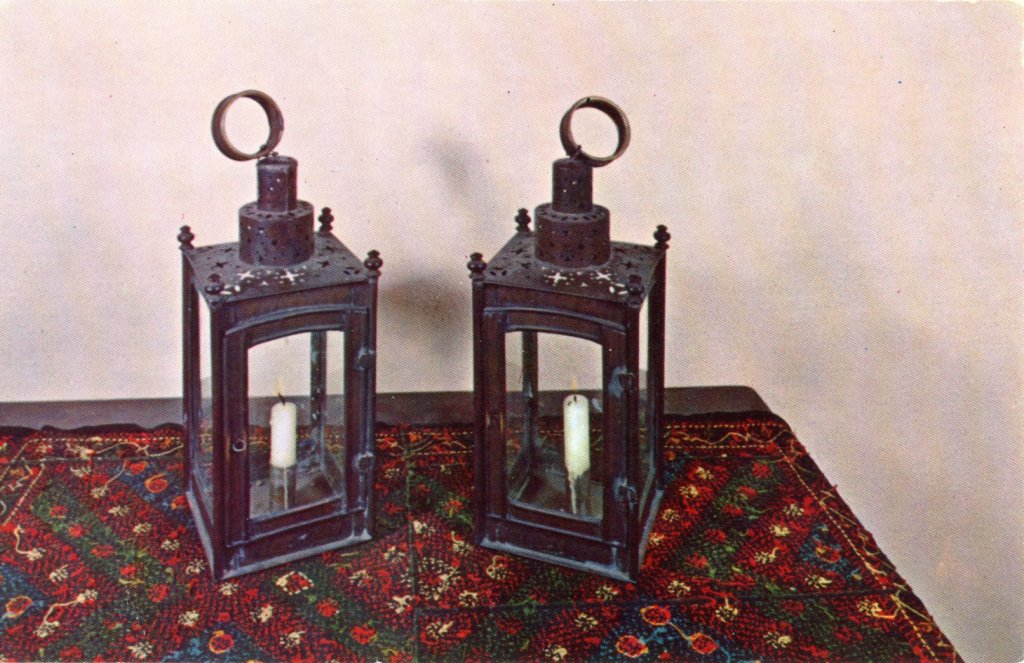
The Signal Lanterns of Paul Revere, Old North Church, Salem Street, Boston, Mass.
The signal lanterns displayed in the steeple of this church, April 18, 1775, warned the country of the march of the British troops to Lexington and Concord. These lanterns are hung every April 18th, to commemorate the famous ride of Paul Revere.
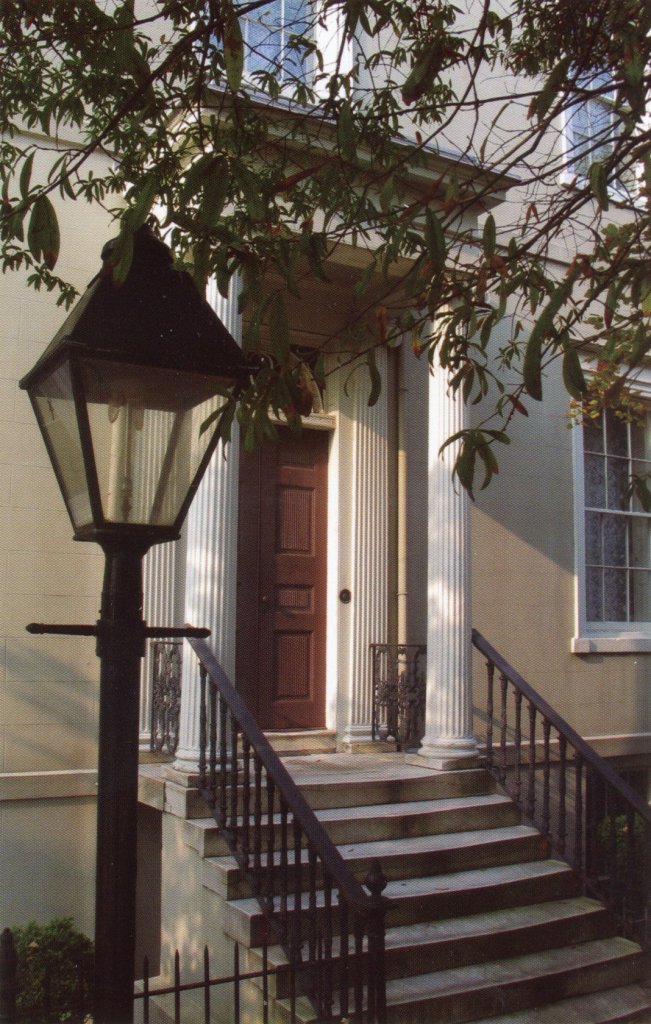
White House of the Confederacy
House built in 1818 by Dr John Brockenbrough. In 1861, the Confederate Government rented the house from the City of Richmond for use as its official Executive Mansion. President Jefferson Davis lived here with his family until April 2, 1865. (The US Civil War officially ended on April 9, 1865.)
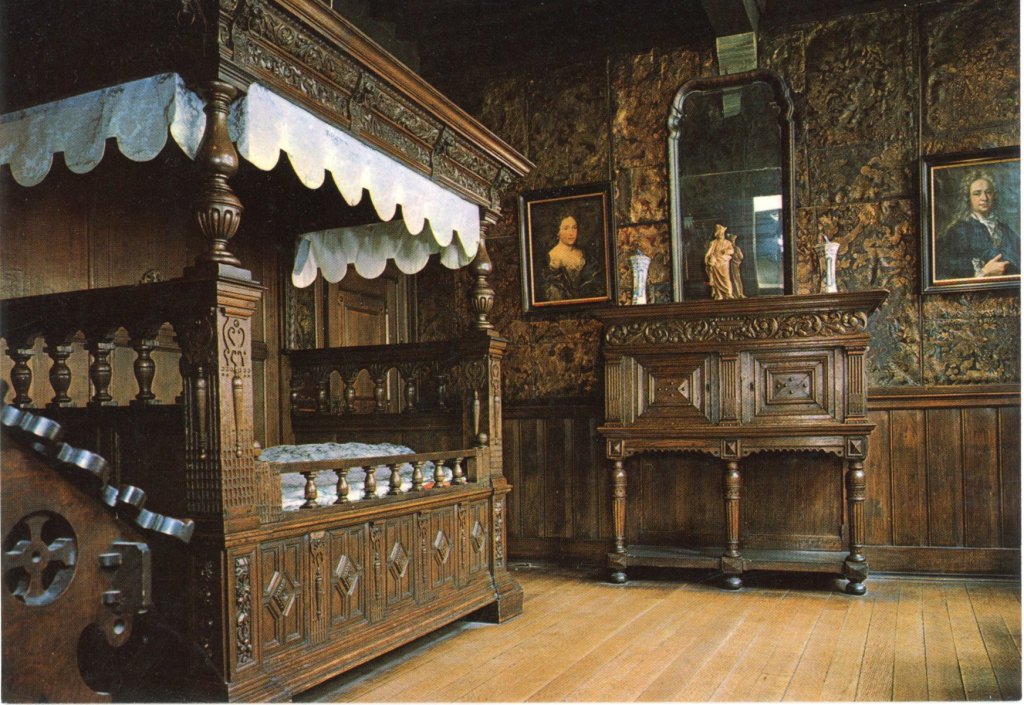
Plantin-Moretus Museum
The Bedroom
17th Century
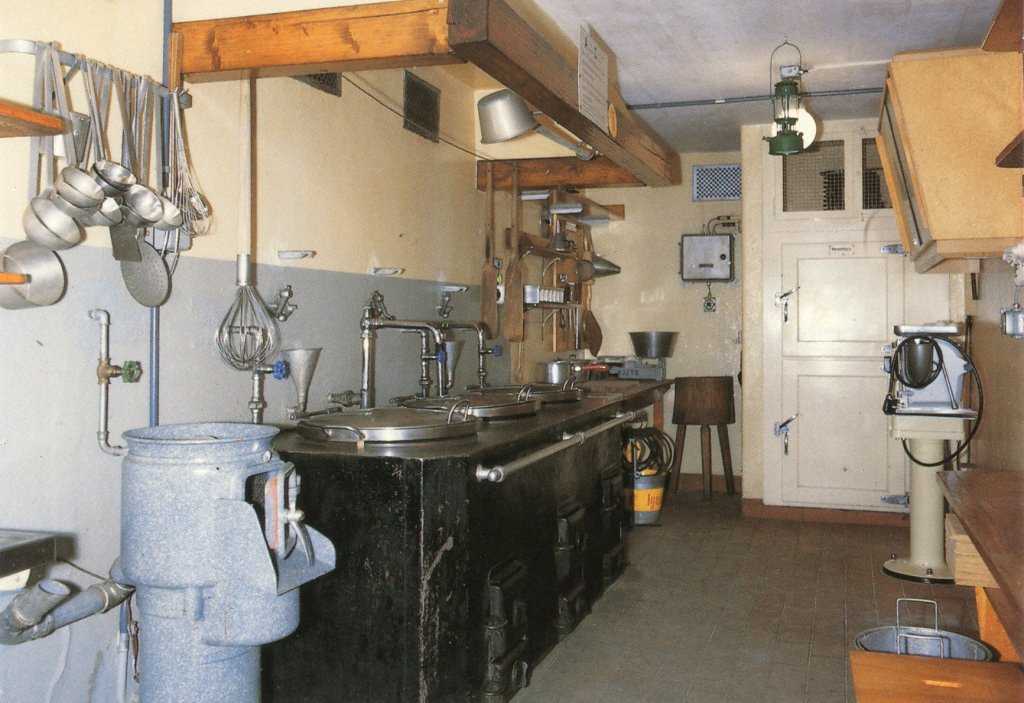
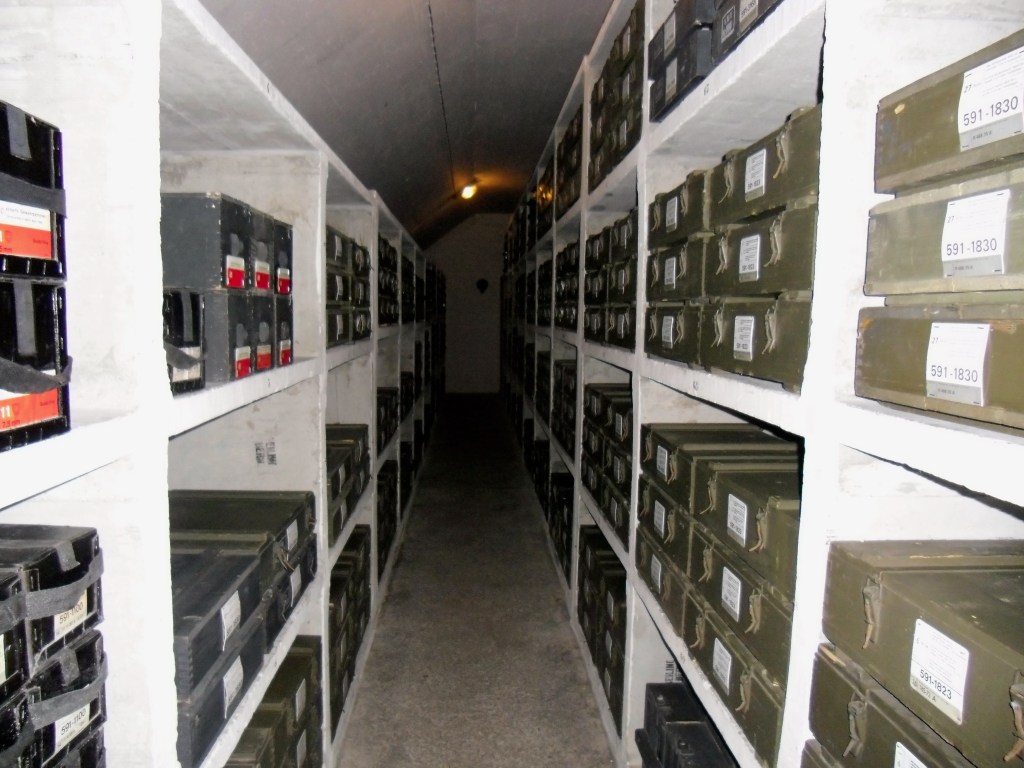
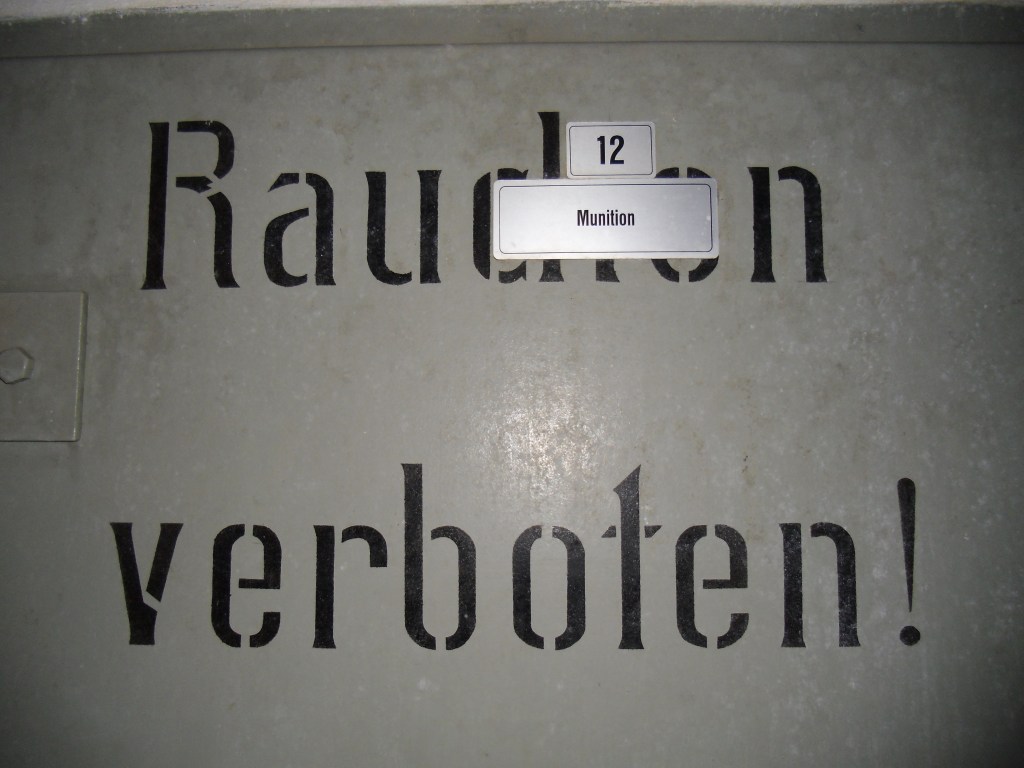
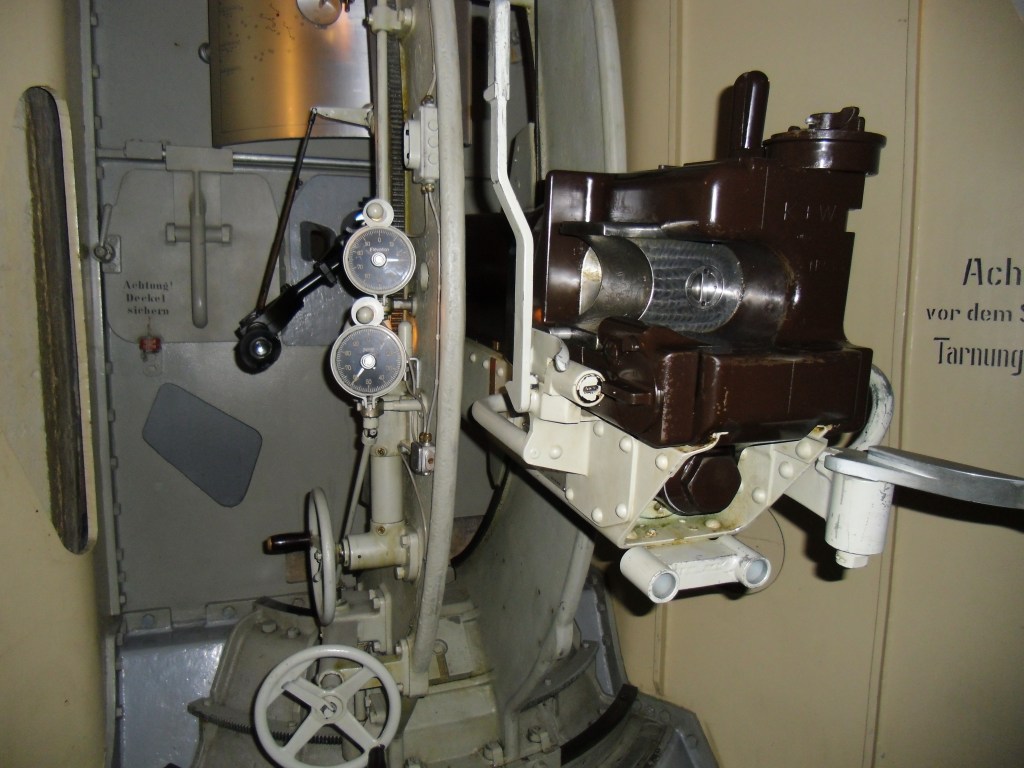
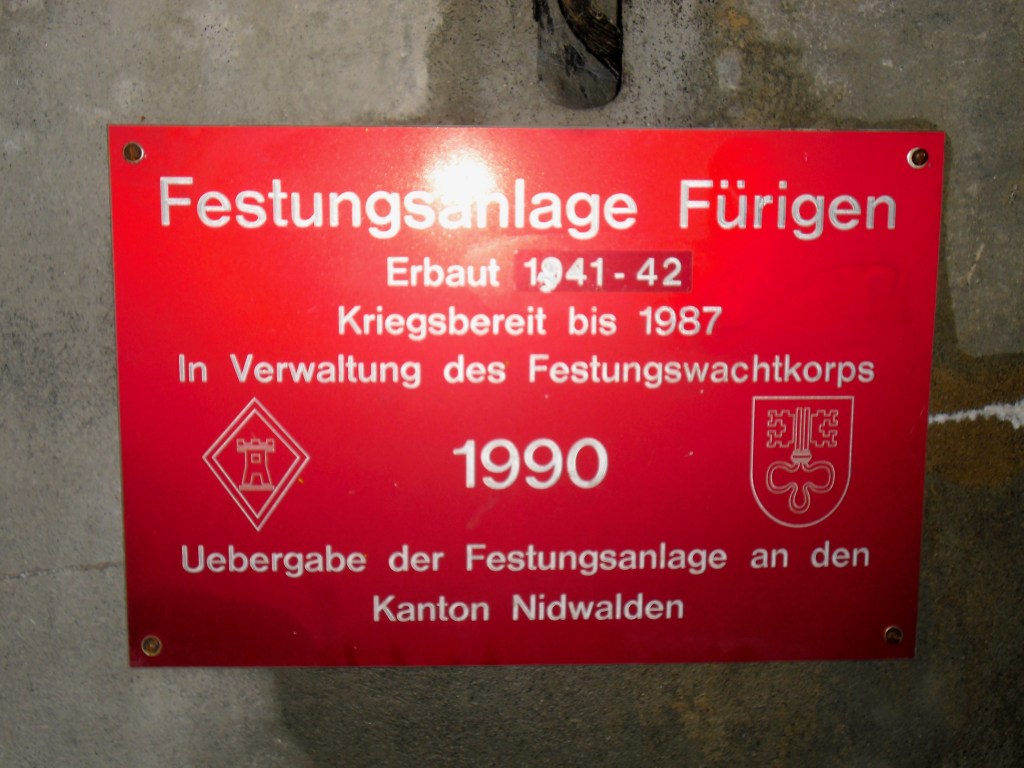
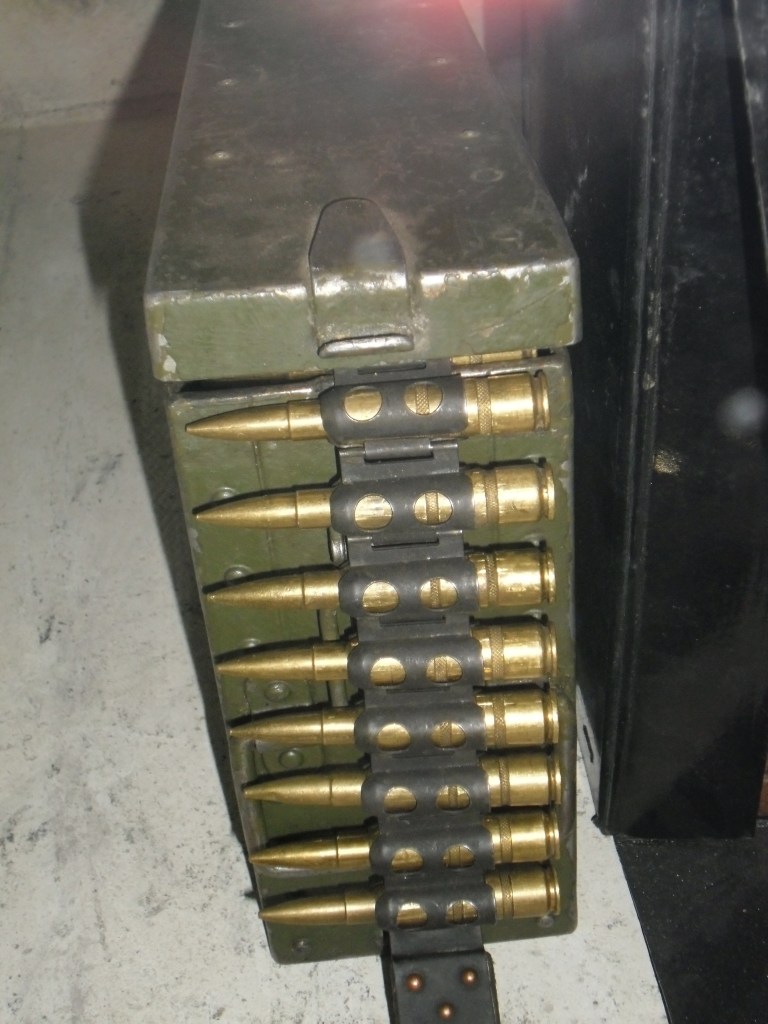
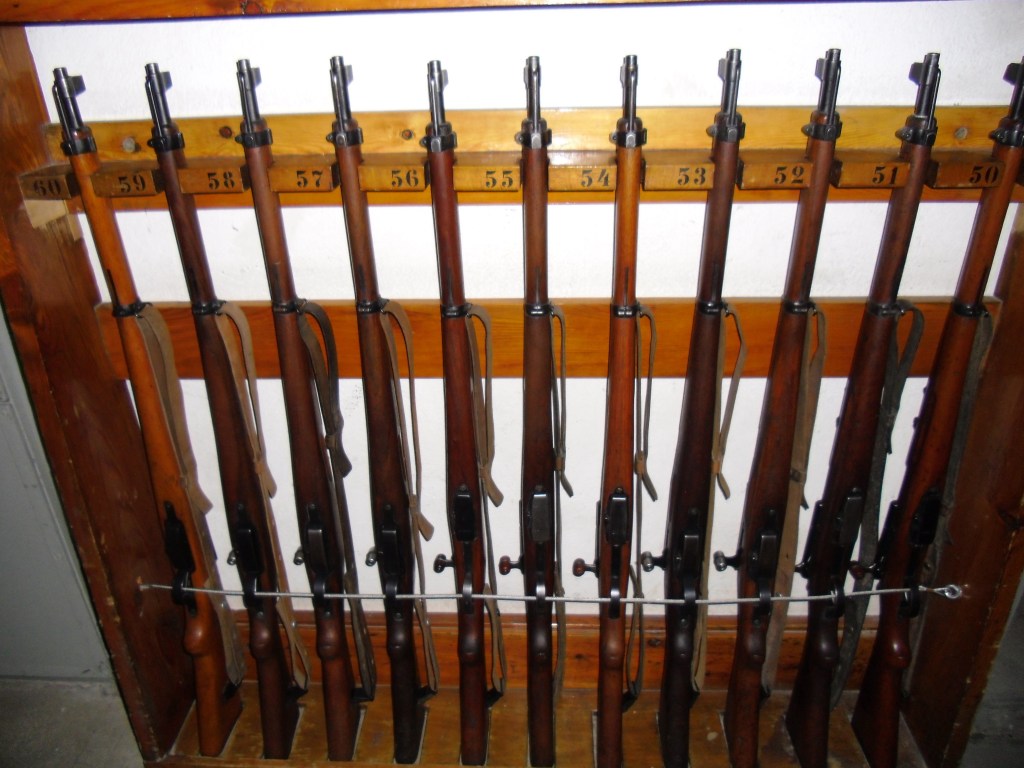
Fortress Furingen, Museum zur Wehrgeschichte
The fortress was built into a mountain in 1941 (WWII). Built for defense and survival of Switzerland. Later it was used as a defense against Russia during the Cold War. It was decommissioned in the 1987.

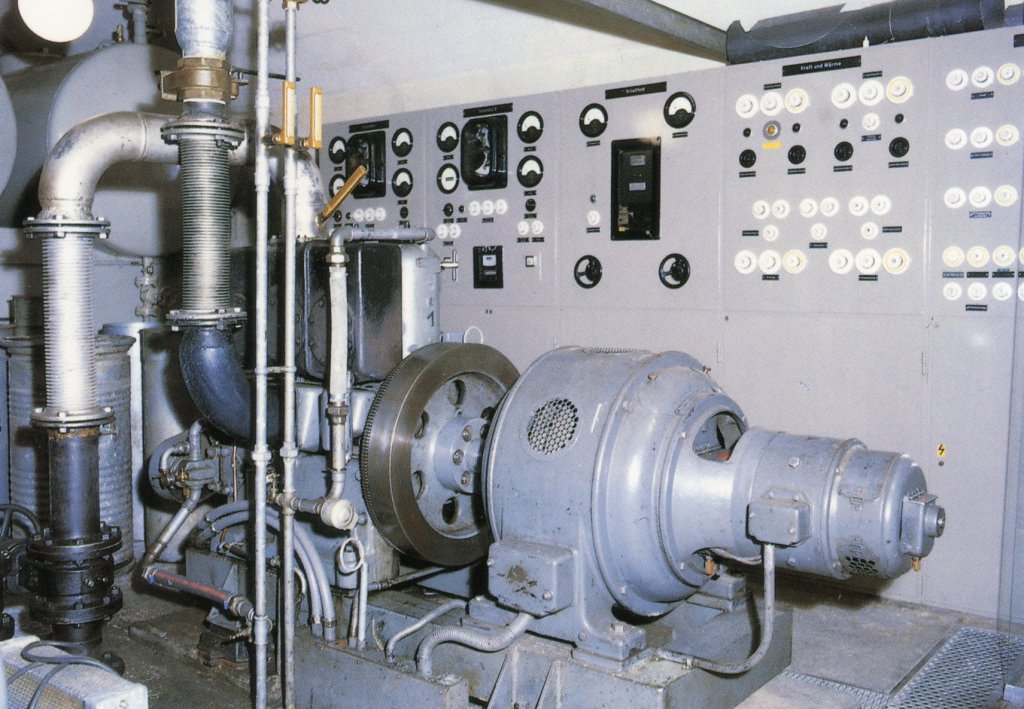
More photos from when we visited:




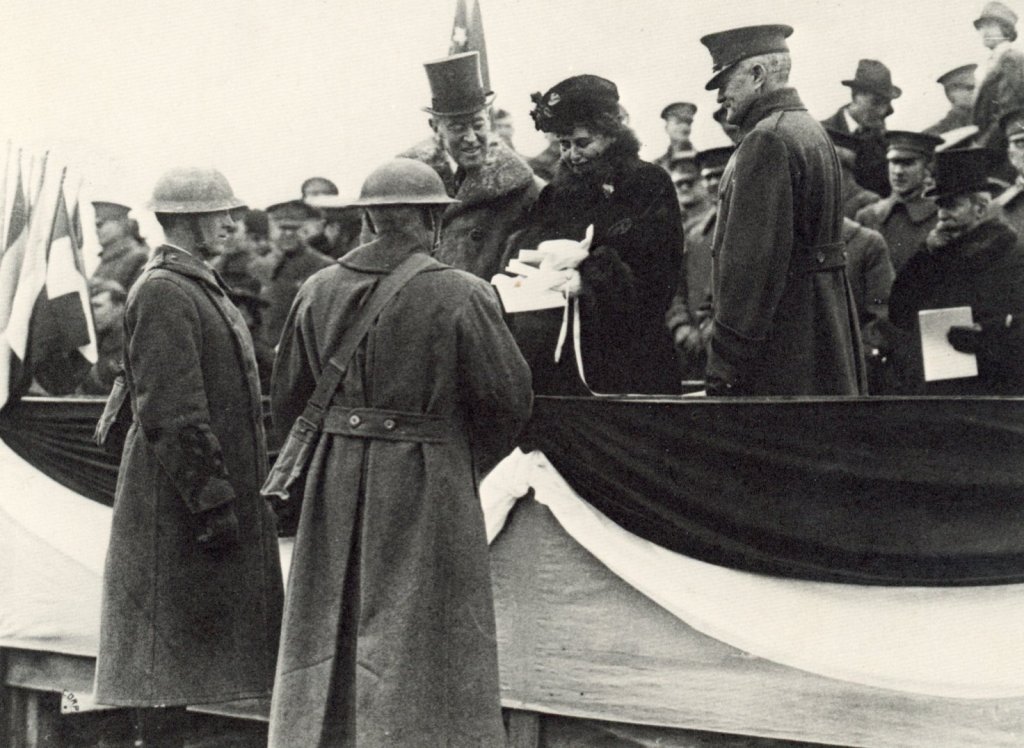
Christmas Day 1918 at Langres, Haute-Marne, France. President Wilson watches as Mrs Wilson opens her gift from the 77th American Liberty Division – a shoulder patch with the division’s blue and gold Statue of Liberty insignia.
The National Trust for Historical Preservation
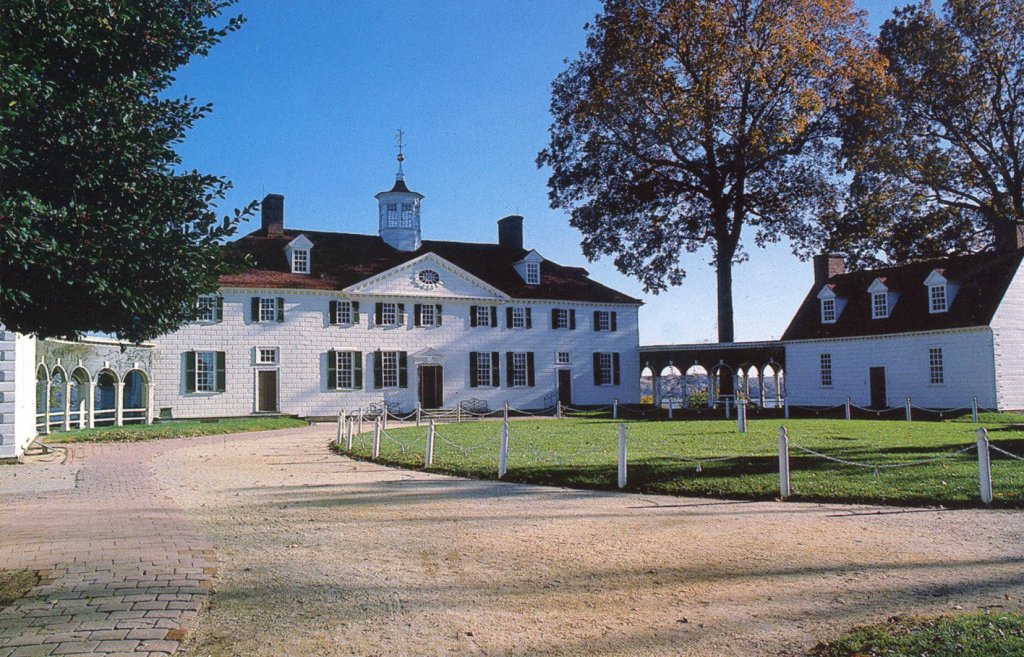
West Front of Mansion. In the 18th century, guests arrived at the west front entrance to the Mansion. Washington enlarged the original house that his father had built by adding another story and building wings on the north and south.
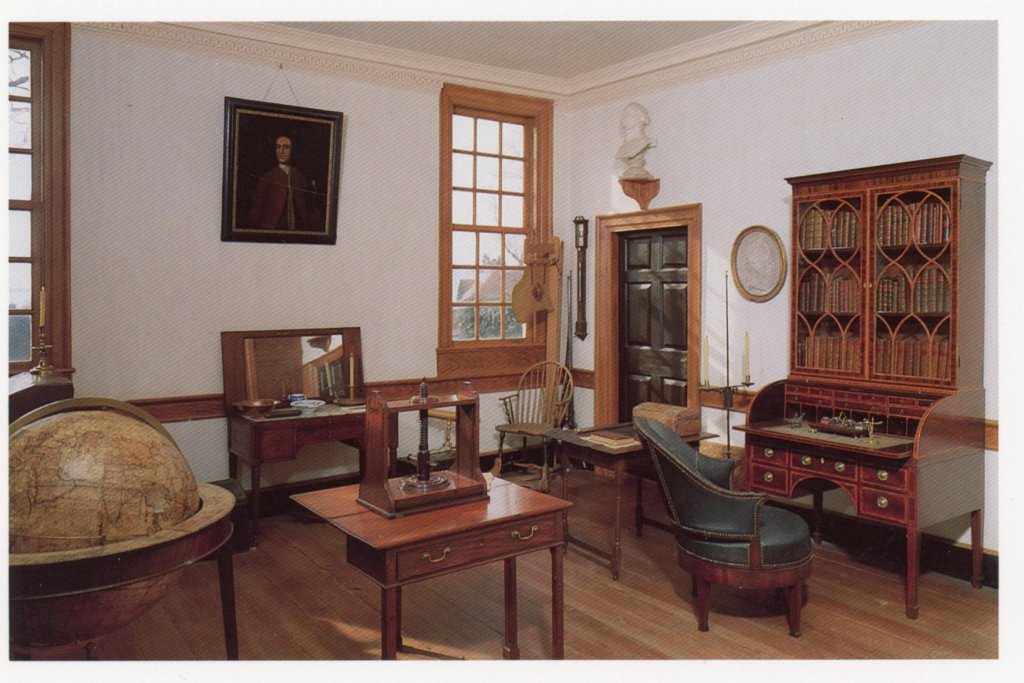
Study. No room at Mount Vernon is as closely associated with George Washington as his study which contains the desk he purchased in Philadelphia at the end of his presidency, his terrestrial globe and an 18th century fan chair. From this private room Washington directed the activities of his plantation and corresponded with leaders of the day.
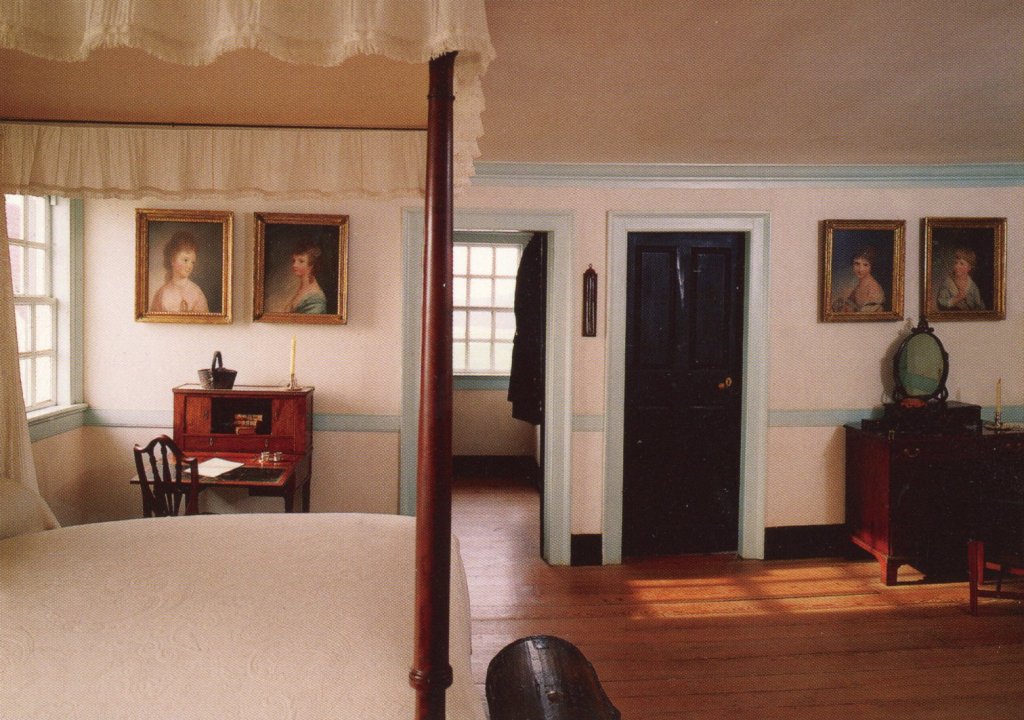
George and Martha Washington’s Bedroom. On December 14, 1799, George Washington died on this bed in the room he and his wife shared. Other objects of interest in this room include Washington’s trunk at the foot of the bed. Martha Washington’s desk and portraits of her four grandchildren.
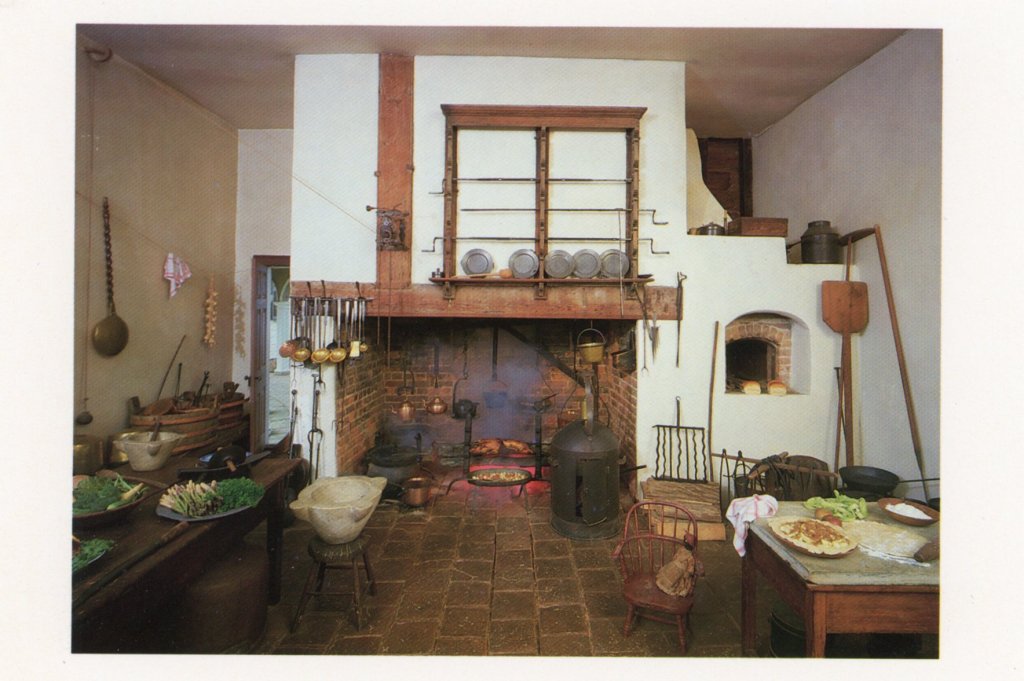
Family Kitchen. Meals for family and guests were prepared in the kitchen, a separate building that is connected to the Mansion by a colonnade. Martha Washington supervised the planning of meals and made regular visits to the kitchen.
 Postcard Buzz